
Roof repairs
Slipped and broken roof tiles
A displaced tile calls for a proportionate repair and a check of the surrounding roof, without assuming the entire covering has failed. For Isle of Wight homes.
Updated
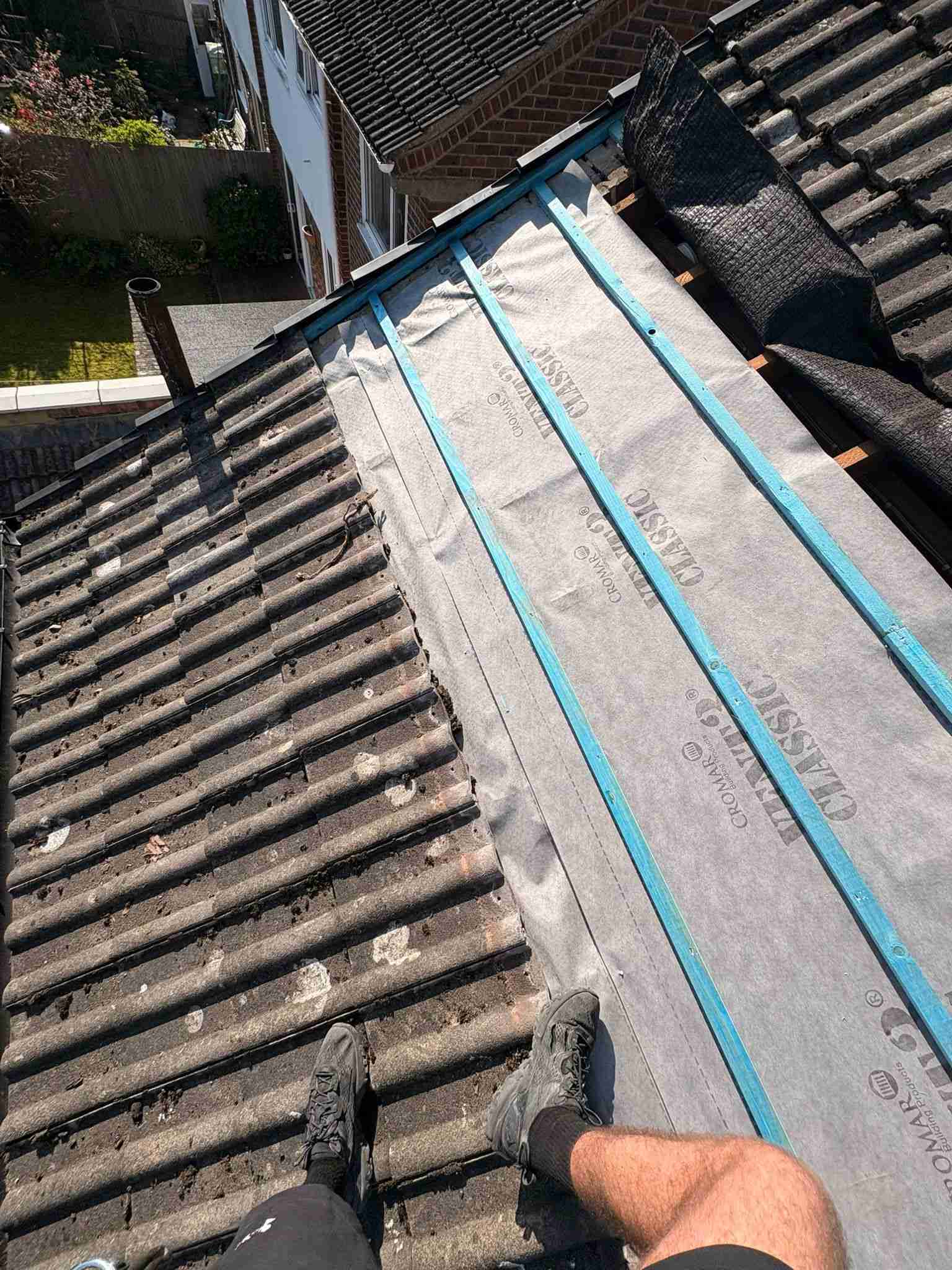
A tile sitting out of line is easy to spot once someone points it out. Deciding why it moved, how to reach it safely and whether nearby details also need attention takes a closer assessment.
The visible defect should not be ignored, but neither should one photograph become automatic evidence for a complete new roof. A useful repair recommendation explains the condition found and the area of work required.
Record the position from the ground
Take a wider photograph that identifies the slope and the location of the tile, using a safe viewpoint. If a piece has fallen, keep people away from the area below. Do not climb a ladder to push a loose tile back into place.
Report the position of the damaged or displaced tile to WWR Roofing, together with any water entry indoors. That gives the repair enquiry a defined starting point. The next decision should follow the condition of the covering and its surroundings, rather than assume either a cosmetic issue or a complete roof failure.
Match the repair to the roof
Ask the roofer to identify the existing covering and explain the replacement proposed. Similar colour alone does not establish that a tile is the correct product. The recommendation should also address the fixing and surrounding condition, rather than simply count visible gaps.
If the original product is no longer readily available, request an explanation of the alternatives before agreeing the work. Keep that decision in writing, especially where the repair will be prominent from the street.
Use repeat failures as information
Where tiles have moved more than once, share the previous repair record. Repeated attention to the same area should prompt a clear explanation of what has been found this time and how the proposed work differs. Avoid jumping from “it happened again” to a particular structural diagnosis without evidence.
At completion, request a photograph of the repaired area and note any further work recommended separately. That provides a useful starting point for future maintenance and avoids an isolated invoice becoming the only record.
The roof repairs page covers enquiries about damaged coverings. For a wider decision, read repairing an older roof without unnecessary replacement.
Roofing advice from WWR Roofing for Isle of Wight properties. For advice and a quotation for your property, tell us about the work you need.