Chimney work
Maintaining an unused chimney
A fireplace falling out of use does not remove the chimney from the building. Condition, ventilation and future intentions still need attention. For Isle of Wight homes.
Updated
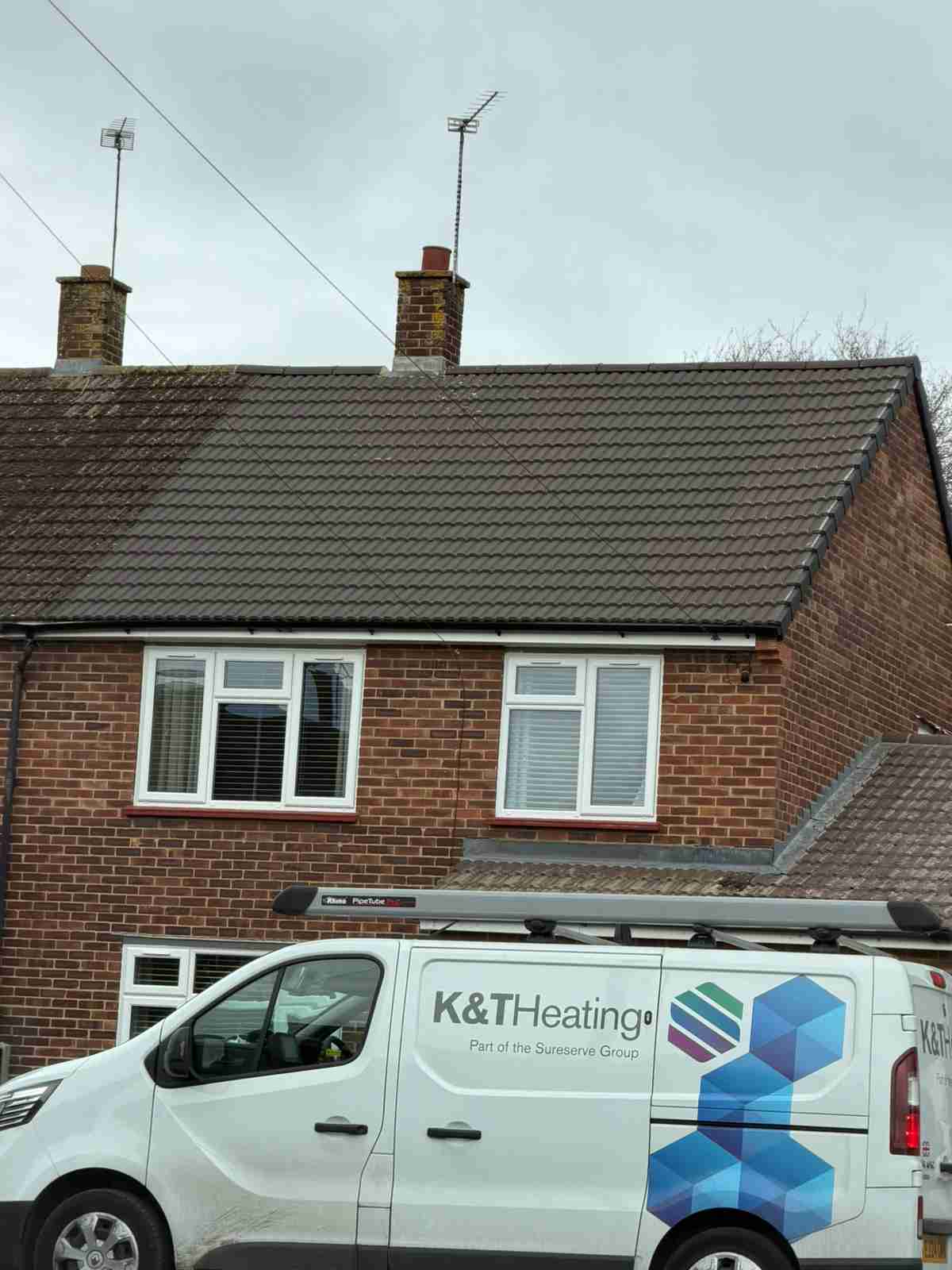
A disused fireplace can disappear from everyday life while its chimney remains fully exposed above the roof. That makes it easy for the stack to fall out of the maintenance routine until damp or a loose component attracts attention.
The first useful distinction is between stopping use of a fireplace and altering the chimney itself. They are different decisions, and neither should be assumed to settle the other.
Keep the flue’s condition in view
Mention the disused flue when contacting WWR Roofing about the chimney. Its ventilation and condition still need consideration even though the fireplace is no longer used. Closing openings without a suitable plan can leave moisture problems unresolved.
Tell the assessor whether the fireplace may be brought back into use. That intention can affect the discussion, and it should not be reconstructed later from an incomplete repair note.
Continue external observations
Include the stack, pots and roof junction in ground-level observations of the building. Note any visible change and report loose material or suspected instability promptly. Do not access the roof to examine the chimney more closely.
If damp appears internally, record the location and timing rather than assume rain is entering through the top. The chimney damp article explains why a broader investigation can be necessary.
Treat removal as a separate project
Removing a chimney is a separate alteration requiring the relevant structural and permission checks. An unused stack can still be part of a protected building’s character. Establish those requirements before deciding that removal is the next maintenance step.
Keep records of any capping, ventilation or other changes, including the purpose and the professional advice received. If a future owner wants to reinstate a fire, those documents will be more useful than an assumption that the chimney was merely “closed off”.
Our chimney work page is the enquiry route for roof-level work. For routine observation across the building, read the roof maintenance record guide.
Roofing advice from WWR Roofing for Isle of Wight properties. For advice and a quotation for your property, tell us about the work you need.