
Leadwork
Lead codes and thickness
A lead code identifies thickness, but choosing suitable leadwork also requires the correct detail, support and movement allowance. For Isle of Wight homes.
Updated
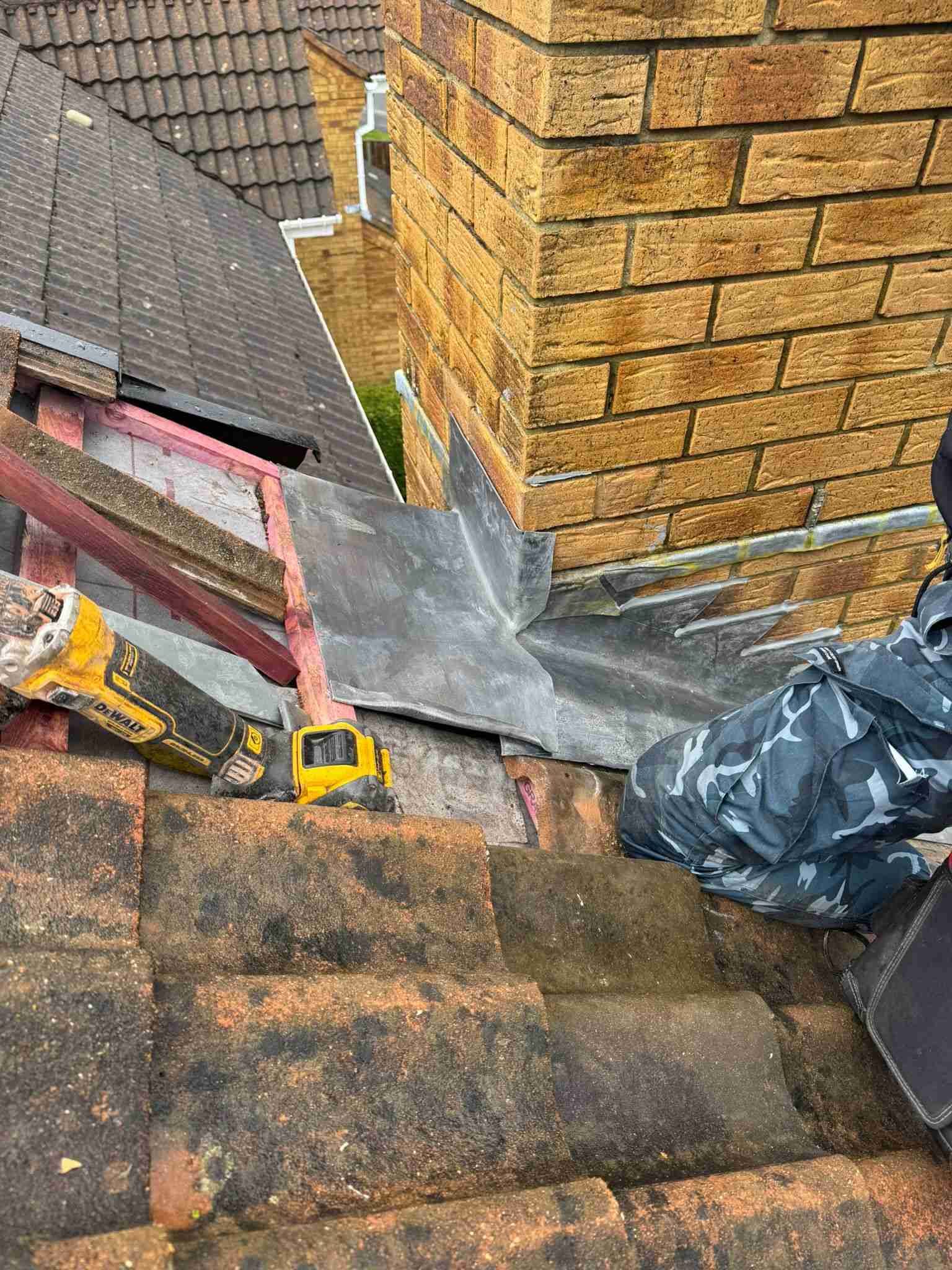
“New lead flashing” is a useful description of a task, but an incomplete description of the material. Roofing specifications often use a code number alongside the size and location of the leadwork.
The code identifies a standard thickness of lead sheet. It is one part of a roofing specification, alongside the dimensions, location and design of the detail. When discussing leadwork with WWR Roofing, keep the material choice connected to the actual repair rather than selecting a code from its number alone.
A higher number is not the whole specification
Thickness needs to be considered with the application. The shape of the detail, its dimensions, supporting construction and fixing arrangement belong in the professional specification. A homeowner comparing quotations should ask for those choices to be explained at an appropriate level.
Avoid choosing solely by the heaviest material offered or the longest headline guarantee. A specification needs to describe a suitable assembly, not simply a larger quantity of one component.
Compare like-for-like work
If two proposals name different codes, request the reason. They may also describe different areas of replacement or different details, making the material comparison incomplete. Put the scope beside the product description before drawing a conclusion about value.
Ask whether associated work to the roof covering or masonry is included. If access requires scaffolding, identify that separately rather than assuming the price of the sheet material explains the total.
Keep the specification with the repair record
The agreed code, manufacturer information and completion photographs help future contractors understand the installation. They are particularly useful where a detail becomes partly concealed once the surrounding covering is reinstated.
If the design changes during opening up, keep the revised specification with the approved variation. A final invoice should reflect the actual work, rather than leave the owner holding only the first estimate.
Read lead flashing at roof junctions for the broader context. Our leadwork page provides the route for an assessment and quotation based on the detail at your property.
Roofing advice from WWR Roofing for Isle of Wight properties. For advice and a quotation for your property, tell us about the work you need.